

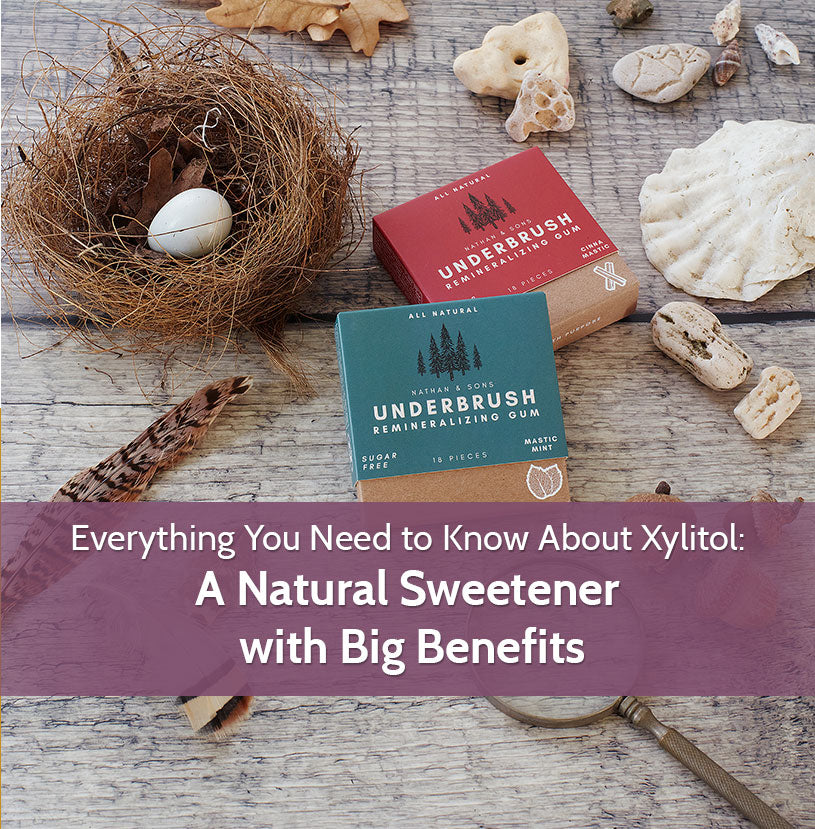
As people increasingly seek alternatives to refined sugar, xylitol has emerged as a standout natural sweetener. Known for its sugar-like sweetness and a variety of uses and potential benefits discussed in research, xylitol is often used by people looking to reduce sugar intake while maintaining sweetness.

The History of Xylitol: From Discovery to Popularity
Xylitol's history dates back to the late 19th century when it was first discovered simultaneously by German and French chemists in 1891. Derived from the word “xylose,” meaning wood sugar, it was initially isolated from birch trees. Xylitol remained a scientific curiosity until World War II, when sugar shortages in Europe prompted researchers in Finland to explore alternatives. Finnish scientists discovered xylitol’s potential as a sugar substitute, leading to its first commercial use in the 1960s, primarily in diabetic products. Over the decades, xylitol gained recognition for its dental health benefits and was incorporated into sugar-free gums and oral care products. Today, xylitol is widely recognized for its natural origins, versatility, and widespread use in sugar-free foods and oral care products with its production now sourced sustainably from birch trees and non-GMO corn.

What Is Xylitol?
Xylitol is a naturally occurring sugar alcohol (polyol) found in small amounts in fruits, vegetables, and even the human body. It is typically extracted from the bark of birch trees or corn cobs, making it a plant-derived sweetener that has been widely studied in nutrition and oral health research.
With its low glycemic index and similarity to sugar in taste and sweetness, xylitol has become a go-to substitute in sugar-free products such as gums, candies, and baked goods.
How Xylitol Is Made: From Nature to Sweetener
Xylitol is made through a sustainable process that transforms natural plant materials into a crystalline sweetener. It begins with the extraction of xylose, a sugar found in the fibrous parts of plants like birch trees, corncobs, or other hardwoods. This raw material is first broken down into hemicellulose, from which xylose is isolated. The xylose undergoes a hydrogenation process, where it is exposed to hydrogen under controlled conditions, converting it into xylitol. This process retains xylitol’s natural sweetness while removing impurities, resulting in a pure, granulated form that closely resembles table sugar. By using renewable plant sources and eco-friendly methods, xylitol production supports sustainability, providing a clean and natural sweetener for a variety of uses.
Xylitol vs. Sucralose and Aspartame: Natural vs. Artificial Sweeteners
Xylitol, sucralose, and aspartame are all sugar alternatives, but they differ significantly in origin, composition, and health impact. Xylitol is a naturally occurring sugar alcohol derived from plants like birch trees or corn, offering sweetness similar to sugar while having a lower glycemic index and being studied for its role in oral health.
In contrast, sucralose and aspartame are artificial sweeteners created through chemical processes. Sucralose is made by chemically altering sugar molecules, making it much sweeter than sugar but calorie-free. Aspartame, a compound of amino acids, is also intensely sweet but contains a small number of calories.
While xylitol provides sweetness without chemical additives and is well-tolerated in moderate amounts, sucralose and aspartame have been the subject of ongoing research regarding their potential effects, including digestive tolerance and their synthetic origins.
For those seeking a plant-derived sweetener, xylitol is one option among several alternatives to artificial sweeteners.

The Oral Health Benefits of Xylitol: A Natural Defense Against Bacteria
Xylitol has been studied for its role in oral health, with research examining how it may interact with certain oral bacteria, including Streptococcus mutans, which is associated with cavities.*
*(These statements have not been evaluated by the FDA. This product is not intended to diagnose, treat, cure, or prevent any disease.)
Unlike sugar, which feeds oral bacteria and promotes acid production, some research suggests xylitol may interfere with how certain oral bacteria metabolize sugars — an interaction that has been examined in dental research.*
*(These statements have not been evaluated by the FDA. This product is not intended to diagnose, treat, cure, or prevent any disease.)
Additionally, xylitol use has been studied for its relationship to oral pH balance, creating an environment less conducive to bacterial growth and acid erosion.
Regular use of xylitol in products like sugar-free gum, mints, or toothpaste can also stimulate saliva production, which further protects teeth by washing away food particles, strengthening enamel through remineralization, and maintaining a healthy oral pH. Some studies have explored xylitol's potential role in supporting a healthy oral and nasal environment. (
These statements have not been evaluated by the Food and Drug Administration. This product is not intended to diagnose, treat, cure, or prevent any disease.)**

7 Key Benefits of Xylitol
- Supports Oral Health: Xylitol has been widely studied in dental research and is commonly used in sugar-free gum and oral care products. Research has explored how xylitol may influence the activity of bacteria associated with cavities. Xylitol is commonly included in sugar-free gums and mints used as part of daily oral hygiene routines.
- Oral Environment Support: Research has explored how xylitol may influence acid production associated with certain oral bacteria.* Unlike sugar, which is readily fermented by oral bacteria, xylitol is metabolized differently — a distinction that has been explored in dental research.
*These statements have not been evaluated by the FDA. This product is not intended to diagnose, treat, cure, or prevent any disease.
-
Low Glycemic Index: With a glycemic index of just 7, xylitol has a minimal effect on blood sugar levels compared to regular sugar, making it a popular choice for those looking to maintain steady glucose levels. Individuals managing diabetes should consult their healthcare provider about how xylitol fits into their diet.
(These statements have not been evaluated by the Food and Drug Administration. This product is not intended to diagnose, treat, cure, or prevent any disease.)**
- Weight Management: Xylitol contains about 40% fewer calories than regular sugar, making it a lower-calorie alternative to traditional sugar or maintaining a healthy diet. At only 2.4 calories per gram, it delivers sweetness without the calorie load.
- Gut Health Booster: Some research has explored how certain sugar alcohols interact with gut microbiota. Researchers have explored how certain sugar alcohols interact with gut microbiota and digestive processes.
- Versatile in Cooking and Baking: Xylitol’s taste and sweetness are nearly identical to sugar, making it an ideal substitute in recipes. From baked goods to beverages, you can replace sugar with xylitol in a 1:1 ratio without compromising on flavor.
-
Emerging Research: Some early studies have explored xylitol's potential anti-inflammatory properties. Research in this area is ongoing.
(These statements have not been evaluated by the Food and Drug Administration. This product is not intended to diagnose, treat, cure, or prevent any disease.)**
Is Xylitol Safe for Everyone?
Xylitol is considered safe for human consumption by major health organizations, including the FDA and EFSA. However, like all sugar alcohols, excessive consumption may cause mild digestive discomfort for some people. Start with small amounts to assess your tolerance and gradually increase your intake.
Important Note: Xylitol is toxic to dogs and other pets. Always store xylitol-containing products out of reach of animals. If your pet consumes xylitol, take them to the vet or animal hospital immediately.

Xylitol vs. Erythritol: Key Differences and Similarities
Xylitol and erythritol are both sugar alcohols that serve as popular sugar substitutes, offering sweetness with fewer calories than sugar. Xylitol is as sweet as sugar and contains about 2.4 calories per gram, while erythritol is slightly less sweet (70% as sweet as sugar) but is virtually calorie-free. Both have a low glycemic index and have been studied in the context of blood sugar management. Individuals with diabetes should consult their healthcare provider before making dietary changes.
One key difference lies in their digestive effects: xylitol, when consumed in large amounts, can cause mild digestive discomfort, whereas erythritol is more easily tolerated as it is mostly absorbed in the small intestine and excreted unchanged. Xylitol stands out for its role in oral health research, with studies examining its interaction with certain oral bacteria, while erythritol has also been studied in the context of oral health, though the body of research differs in scope. Both are excellent choices, but the right option depends on individual needs, such as calorie reduction, sweetness preference, or dental health focus. For more information on Erythritol, please visit our blog at (link).
Recent Research on Xylitol
A 2024 study [Author et al., Journal Name, DOI] examined xylitol's role in oral bacterial balance over time.* Separately, early-stage research has explored certain properties of xylitol in laboratory settings; this research is preliminary and ongoing.*
*These statements have not been evaluated by the FDA. This product is not intended to diagnose, treat, cure, or prevent any disease.
Xylitol continues to be a focus of health research, with scientists uncovering new applications in gut health and metabolic balance.
The Importance of Choosing Xylitol
Sourcing matters when choosing a xylitol product. Nathan and Sons xylitol is sourced from non-GMO birch trees and produced without synthetic fertilizers or pesticides — for customers who prefer plant-derived, non-GMO ingredients.
3 Common Myths About Xylitol
- "Xylitol Is Artificial" Xylitol is a natural compound found in plants and even the human body. Unlike artificial sweeteners, it provides sweetness without harmful chemicals.
- "It’s Just Like Sugar" While xylitol tastes like sugar, its health benefits set it apart. It differs from sugar in several ways, including its lower glycemic index and reduced calorie content.
- "Is xylitol safe?" Xylitol is recognized as Generally Recognized as Safe (GRAS) by the FDA and is approved for use in foods in many countries. As with any ingredient, consult your healthcare provider if you have specific health concerns.
Why Choose Nathan & Son’s Xylitol?
At Nathan and Sons, we are committed to delivering the highest quality xylitol. Our product is sourced from non-GMO birch trees, with a focus on sourcing transparency and ingredient quality. We will never cut corners for mass production! You can enjoy the natural sweetness of xylitol without worrying about harmful additives or environmental impact.
Bottom Line
Xylitol is more than just a sugar substitute—it’s a versatile ingredient used in sugar-free foods and oral care products that fits seamlessly into a balanced lifestyle. From its use in oral care products to its lower calorie content compared with sugar, xylitol offers characteristics that differ from traditional sweeteners.
If you’re looking for the purest, most eco-conscious option, Nathan and Son’s xylitol gum is the perfect choice. Sweeten your life naturally and experience the difference of quality Learn More
Frequently Asked Questions About Xylitol
What is xylitol and where does it come from?
Xylitol is a natural sugar alcohol found in small amounts in fruits, vegetables, and plant fibers such as birch trees and corn cobs. It is commonly used as a sugar substitute because it tastes sweet like sugar but contains fewer calories and has a minimal impact on blood sugar levels. (WebMD)
Because of these properties, xylitol is widely used in sugar-free gum, oral care products, and low-sugar foods.
How does xylitol benefit dental health?
Xylitol has been studied for its interaction with oral bacteria associated with cavities. Research has explored how certain oral bacteria metabolize xylitol differently than sugar, which has been examined in dental research.*
*These statements have not been evaluated by the FDA. This product is not intended to diagnose, treat, cure, or prevent any disease.
Some studies have observed changes in levels of Streptococcus mutans, a bacterium associated with cavities, when xylitol-containing products are used.
Does xylitol support oral health?
Research has explored xylitol's role in supporting a balanced oral environment. Some studies have examined its association with oral bacterial profiles and acid activity when used regularly in products such as chewing gum or mints.*
*These statements have not been evaluated by the FDA. This product is not intended to diagnose, treat, cure, or prevent any disease.
Chewing sugar-free gum after meals is commonly discussed in dental hygiene guidance because it stimulates saliva production, which plays a role in oral health.
Is xylitol safe for people with diabetes?
Xylitol has a low glycemic index and does not cause large spikes in blood sugar levels. Because it is absorbed more slowly than regular sugar and requires little insulin to metabolize, it is often considered a diabetes-friendly sweetener when used in moderation. (Verywell Health)
However, individuals with diabetes should still consult their healthcare provider about how sweeteners fit into their diet.
Are there any side effects of consuming xylitol?
Xylitol is generally considered safe for most people when consumed in moderate amounts. However, large amounts may cause digestive discomfort such as bloating or mild laxative effects because the body absorbs it slowly. (Medical News Today)
It is also extremely toxic to dogs, so any products containing xylitol should always be kept out of reach of pets.
These statements have not been evaluated by the Food and Drug Administration. This product is not intended to diagnose, treat, cure, or prevent any disease.