
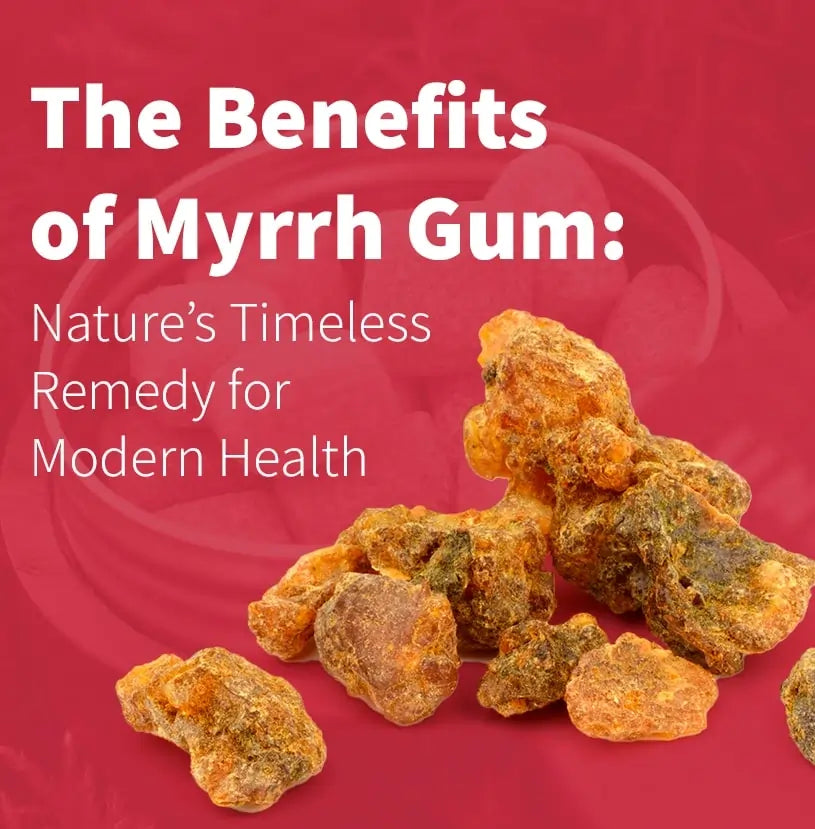
Myrrh gum, an ancient resin with a rich history of traditional wellness and spiritual uses, has recently experienced a resurgence in popularity. As interest in naturally derived ingredients and traditional wellness practices continues to grow, wildly harvested myrrh gum has attracted renewed consumer and research interest. This article explores the historical uses, botanical properties, and cultural significance of this versatile resin while referencing traditional practices and emerging areas of research interest.

What Is Myrrh Gum?
Myrrh gum is a resin extracted from the Commiphora tree, native to regions in the Middle East, northeastern Africa, and parts of India. Historically, myrrh has been widely referenced in traditional oral care practices and botanical research discussions. Modern research has explored several of these traditional uses, highlighting its long history of traditional wellness use and ongoing research interest.
The Rich History of Myrrh Gum: From Ancient Rituals to Modern Wellness Practices
Myrrh gum has a history steeped in ancient traditions, dating back over 5,000 years. Revered in ancient Egypt, it was essential in embalming rituals and often burned as incense in religious ceremonies. Myrrh also appears in the Bible as one of the gifts given to the infant Jesus, symbolizing its immense value. In Traditional Chinese Medicine and Ayurveda, myrrh was commonly incorporated into historical practices related to skincare, digestion, hygiene, and ceremonial use. Its trade routes spanned continents, making it one of the most sought-after commodities of the ancient world.
Key Characteristics:
- Commiphora species.
- Contains sesquiterpenes, terpenoids, and natural gum compounds.
- Used in embalming rituals, incense traditions, and historical wellness practices.

Myrrh Gum vs. Conventional Synthetic Gum Bases: A Widely Discussed Natural Alternative
Unlike wildly crafted myrrh gum, many commercial chewing gums are made with synthetic bases like polyvinyl acetate, a plastic polymer also used in adhesives, and rubber-like compounds. These synthetic materials provide elasticity but come with ingredients that some consumers prefer to avoid, including exposure to synthetic ingredients and artificial additives that some consumers choose to avoid in wellness products.
In contrast, hand-harvested from the wild myrrh gum is a natural resin with properties studied in oral care and wellness-related research, making it a popular ingredient in certain traditional oral care products. Its naturally derived composition appeals to consumers seeking alternatives to synthetic gum bases commonly used in commercial chewing gum products. Consumers interested in naturally sourced ingredients and traditional botanical products may find myrrh gum appealing as part of a sustainability-focused lifestyle.
Oral Benefits of Myrrh Gum: A Natural Protector for Your Mouth
Myrrh gum is renowned for its significant oral health benefits, thanks to its active compounds, including terpenoids and sesquiterpenes. These elements have been studied in research involving oral wellness and botanical compounds that have been explored in oral care research settings responsible for gum disease, tooth decay, and bad breath.
Myrrh has historically been incorporated into traditional oral care practices associated with oral comfort and hygiene routines. Historically, myrrh has been used in various traditional oral care preparations and wellness-focused hygiene practices. Additionally, its natural soothing effects relieve oral discomfort, making it a popular choice in mouthwashes, toothpaste, pearl powder scrubs, serums and other dental products.
Historically, myrrh has been incorporated into a variety of traditional oral care routines and hygiene practices, including those associated with:
- Gum wellness support
- Support for overall oral care routines
- Breath freshness support

Health Benefits of Myrrh Gum
1. Research Interest in Botanical Compounds
Myrrh gum exhibits potent antimicrobial activity, making it a subject of research involving microorganisms and botanical compounds. Research discussions surrounding myrrh have contributed to ongoing interest in its historical use within traditional oral care products and wellness practices.
2. Traditional Wellness Applications
The naturally occurring terpenoids found in myrrh have been explored in botanical research related to traditional wellness and ingredient-focused applications.
Example Use: Topical creams with myrrh are traditionally used in topical wellness preparations.
3. Oral Health Benefits
With antibacterial compounds, myrrh has traditionally been incorporated into oral care routines focused on breath freshness and oral wellness.
How to Use: Add a few drops of myrrh oil to warm water for a natural mouth rinse.
4. Traditional Skincare Applications
Myrrh gum has historically been incorporated into traditional skincare preparations and continues to generate interest in botanical ingredient research discussions.
5. Digestive Support
Historically, myrrh has been incorporated into traditional practices related to digestion and wellness routines, while emerging research has explored its interaction with botanical and microbiota-related research models.
6. Immune System Research Interest
Laboratory and botanical research discussions have explored myrrh and its naturally occurring compounds in a variety of ingredient-focused research settings.

Debunking Myths About Myrrh
-
Myth: Myrrh gum is unsafe for daily use.
Fact: When used in moderation, many people have traditionally incorporated it into wellness routines.
-
Myth: Myrrh only has religious uses.
Fact: Beyond religious and ceremonial use, myrrh has also been widely referenced throughout history in traditional cultural and botanical practices.
Sustainability and Sourcing of Myrrh Gum
The rising demand for wildly cultivated myrrh gum has raised concerns about overharvesting and unethical sourcing practices. Choosing products made with sustainably sourced myrrh ensures:
- Responsible harvesting methods.
- Purity without synthetic additives.
Why Underbrush Prioritizes Wildly Sourced Myrrh Gum
At Nathan and Sons, we are committed to offering products that align with both tradition and modern wellness needs. Our wild-sourced myrrh gum ensures a carefully sourced form of this ancient remedy. From oral care traditions to historical botanical applications, myrrh gum remains a longstanding ingredient referenced in cultural wellness practices and naturally derived product discussions.
Explore our products and learn more about the history, traditional uses, and naturally derived origins of myrrh gum. Order your myrrh chewing gum today!
Myrrh Gum FAQ's
What is myrrh gum?
Myrrh gum is a naturally derived resin obtained from trees in the Commiphora family, which are native to regions of northeastern Africa, the Middle East, and parts of India. Historically, myrrh has been referenced in cultural traditions, ceremonial practices, incense preparation, and traditional botanical applications dating back thousands of years.
How has myrrh gum traditionally been used?
Historically, myrrh gum has been incorporated into a variety of traditional practices related to incense, oral care preparations, skincare routines, and ceremonial applications. Different cultures have referenced myrrh throughout history in Traditional Chinese Medicine, Ayurveda, and historical trade and botanical traditions.
What makes myrrh gum different from conventional chewing gum bases?
Many conventional chewing gums use synthetic gum bases designed to provide elasticity and texture. Myrrh gum is a naturally derived resin that may appeal to consumers interested in traditional botanical ingredients and alternatives to certain synthetic gum base materials commonly used in commercial chewing gum products.
Is myrrh gum naturally sourced?
Myrrh gum is traditionally harvested from Commiphora trees through resin collection methods that have been used for generations in certain regions of the world. Sourcing practices can vary between manufacturers, which is why some consumers seek products made with responsibly sourced and naturally derived ingredients.
Is the information about myrrh gum intended as medical advice?
No. Information about myrrh gum on this page is provided for educational and informational purposes only. References to historical use, traditional practices, or research discussions are not intended as medical claims and should not be interpreted as statements regarding the diagnosis, treatment, cure, or prevention of any disease or health condition.
The information presented in this article is intended for educational and informational purposes only and should not be interpreted as medical advice. References to traditional uses, historical practices, or research findings are not intended as claims regarding the diagnosis, treatment, cure, or prevention of any disease or health condition. These statements have not been evaluated by the Food and Drug Administration. This product is not intended to diagnose, treat, cure, or prevent any disease.