


Nano-Hydroxyapatite vs. Fluoride. Fluoride has long been the standard when it comes to protecting your teeth in oral care. It is in most toothpastes, tap water and dental treatments. But a newer, natural compound — nano-hydroxyapatite (n-HA) — is gaining rapid recognition as a biocompatible alternative that some consumers prefer. With so many looking for effective, natural solutions in dental care, the debate of nano-hydroxyapatite vs. fluoride is more applicable than ever.
In this article, we’ll dig into the science, effectiveness, safety and everyday uses of both ingredients. Whether you’re a parent concerned about your child’s teeth, an adult who may need gentler products or someone managing chronic conditions like diabetes, knowing about these options can help you make decisions.
Nano-Hydroxyapatite vs. Fluoride: What Is Nano-Hydroxyapatite?
Nano-hydroxyapatite is a synthetic version of hydroxyapatite — a crystalline calcium phosphate that makes up an estimated 97 percent of tooth enamel and 70 percent of dentin. When n-HA is present at a nano level, it can bond to and repair microscopic damage in enamel.
Nano-hydroxyapatite, a lab-created version of the substance, was originally designed by NASA to help against astronauts’ bone and tooth loss during space missions, and it has taken hold in Japan since the 1970s and is slowly but surely making its way around the world.
How Nano-Hydroxyapatite Works
Nano-hydroxyapatite is a tooth enamel filler. When used, it binds to the tooth’s surface and penetrates small holes or lesions, aiding remineralization and decreasing sensitivity.

Nano-Hydroxyapatite vs. Fluoride: What Is Fluoride?
Fluoride is a naturally occurring mineral in soil, water, and some food. Research carried out in the 20th century indicated its effectiveness in preventing cavities, which led to its general acceptance in oral care.
How Fluoride Works
Fluoride strengthens enamel and produces fluorapatite, a compound that is more resilient to acid attacks from plaque and sugar. It also may help inhibit bacterial metabolism associated with plaque in the mouth.
Nano-Hydroxyapatite vs. Fluoride: Comparing Their Functions in Oral Health
|
Feature |
Nano-Hydroxyapatite |
Fluoride |
|
Remineralization |
Remineralizes by rebuilding enamel with calcium and phosphate |
Promotes remineralization by forming fluorapatite |
|
Safety for Children |
Generally considered safe in oral-care formulations when used as directed |
Can be toxic in high doses; not recommended to swallow |
|
Tooth Sensitivity Relief |
Commonly studied for its role in reducing tooth sensitivity |
Reduces sensitivity by sealing dentin tubules |
|
Biocompatibility |
Highly biocompatible; mimics natural tooth material |
A mineral not naturally found in tooth structure but widely used in dental care |
|
Anti-bacterial properties |
Helps reduce bacterial adhesion |
Inhibits bacterial metabolism |
Scientific Evidence: What the Research Shows
A growing body of evidence supports the effectiveness of nano-hydroxyapatite:
- A 2022 study published in the International Journal of Environmental Research and Public Health found that n-HA significantly improved enamel remineralization in both primary and permanent teeth, comparing favorably to fluoride.
- Another study in The Saudi Dental Journal concluded that nano-hydroxyapatite was equally or shown in some studies to perform comparably to fluoride in reducing tooth sensitivity after bleaching.
This research highlights that n-HA isn’t just a trendy new ingredient — it’s a scientifically validated option that offers real benefits.
Oral Health Care: Safety Considerations
Fluoride Safety
Fluoride can work, but it has downsides. At excessive intake levels, fluoride has been associated with certain effects on teeth and bone. Consumers are encouraged to follow recommended usage guidelines for all oral care products and consult their dental professional.
Nano-Hydroxyapatite Safety
Nano-hydroxyapatite, by contrast, is biocompatible and safe if swallowed, making it a suitable choice for children, pregnant individuals, and people seeking a natural oral care routine.
In fact, n-HA is so safe and natural that it’s commonly used in orthopedic implants and bone regeneration treatments.
Everyday Applications: Toothpaste, Rinses — and Now Chewing Gum
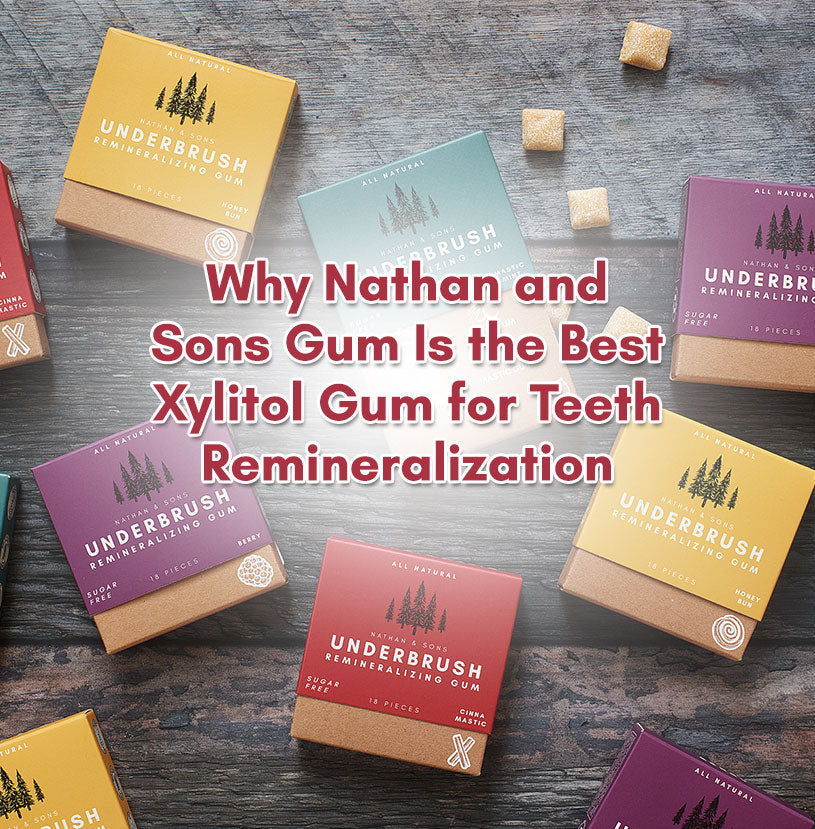
Until recently, most nano-hydroxyapatite products were limited to specialty toothpastes or rinses. However, Nathan and Sons has introduced a new way to enjoy the benefits of this ingredient — in the form of natural chewing gum.
Their remineralizing gum uses nano-hydroxyapatite along with other clean, natural ingredients to help strengthen enamel, reduce plaque, and freshen breath — all without sugar, chemicals, or artificial additives. It is sugar-free and made without artificial sweeteners, and lasts for days of chewing.
👉 Learn more about our chewing gum containing nano-hydroxyapatite

Ingredient Integrity: Why It Matters
Nathan and Sons’ gum stands out not only because of the inclusion of nano-hydroxyapatite but also due to its commitment to clean-label ingredients, their gum contains:
- Xylitol: A natural sweetener that reduces cavity-causing bacteria
- Calcium Carbonate: Aids in remineralization and pH balance
- Organic Mint and Clove Oil: Natural antimicrobials that freshen breath
- No artificial preservatives, colors, or flavors
- No sugar, aspartame, or sucralose
This makes it a great choice for people who want natural chewing gum without compromising on oral care effectiveness.
Who Should Consider Switching to Nano-Hydroxyapatite?
- Children under 6: Who are at risk of swallowing toothpaste
- Pregnant people: Who want to avoid excess chemical exposure
- People with sensitive teeth: Who need daily remineralization
- Those with dry mouth: Who benefit from longer-lasting moisture and breath-freshening
- Anyone avoiding fluoride: Due to allergies, concerns, or personal preference
The Future of Oral Care
As consumers increasingly demand transparency, safety, and natural solutions from the personal care products they choose, nano-hydroxyapatite is emerging as a go-to ingredient for the next generation of forward-focused oral care. It is a blend of effective ingredients, with biocompatibility factors, without the baggage that traditional ingredients such as fluoride or artificial sweeteners provide.
This approach is already taking hold in major markets such as Japan and the EU, and it’s also making inroads in North America.

Conclusion: Choose What Works for You
Fluoride has been a longtime workhorse of the dental world, but it isn’t the only player. Because of this consideration and the process to use hydroxyapatite, nano-hydroxyapatite is a biocompatible, fluoride-free option that research has explored for its role in enamel support, particularly when combined with other oral care ingredients.
If you want a new approach to caring for your teeth that is part of your daily routine — and doesn’t involve brushing — there may be chewable nano-hydroxyapatite gum to consider.
Nathan and Sons takes the guesswork out of personal oral care, catering to whatever life stage, lifestyle, or health you’re in.
👉 Learn more about our nano-hydroxyapatite chewing gum.
For more educational articles like this, visit our blog.
Nano Hydroxyapatite Frequently Asked Questions
What is nano-hydroxyapatite chewing gum?
Nano-hydroxyapatite chewing gum is gum formulated with microscopic particles of hydroxyapatite, a mineral naturally found in tooth enamel. In oral-care products, nano-hydroxyapatite is commonly studied for its role in supporting enamel remineralization and helping maintain the surface of teeth.
How does nano-hydroxyapatite work in chewing gum?
When chewing gum that contains nano-hydroxyapatite, the mineral particles mix with saliva and come into contact with the surface of teeth. Research suggests these particles may help support enamel structure and contribute to maintaining a balanced oral environment.
Why do some people prefer nano-hydroxyapatite instead of fluoride?
Some consumers prefer nano-hydroxyapatite because it is chemically similar to the mineral that naturally makes up tooth enamel. Both fluoride and nano-hydroxyapatite are used in oral-care products, but they work through different mechanisms that support enamel health.
When should you chew nano-hydroxyapatite gum?
Many people choose to chew remineralizing gum after meals, snacks, or beverages. Chewing gum stimulates saliva flow, which helps rinse the mouth and supports the natural remineralization process that occurs throughout the day.
What ingredients are often paired with nano-hydroxyapatite in chewing gum?
Some formulations combine nano-hydroxyapatite with ingredients such as xylitol, mineral compounds, and natural gum bases. These ingredients are commonly used in oral-care products to support freshness, saliva flow, and a clean mouth feel.
--
These statements have not been evaluated by the Food and Drug Administration. This product is not intended to diagnose, treat, cure, or prevent any disease.