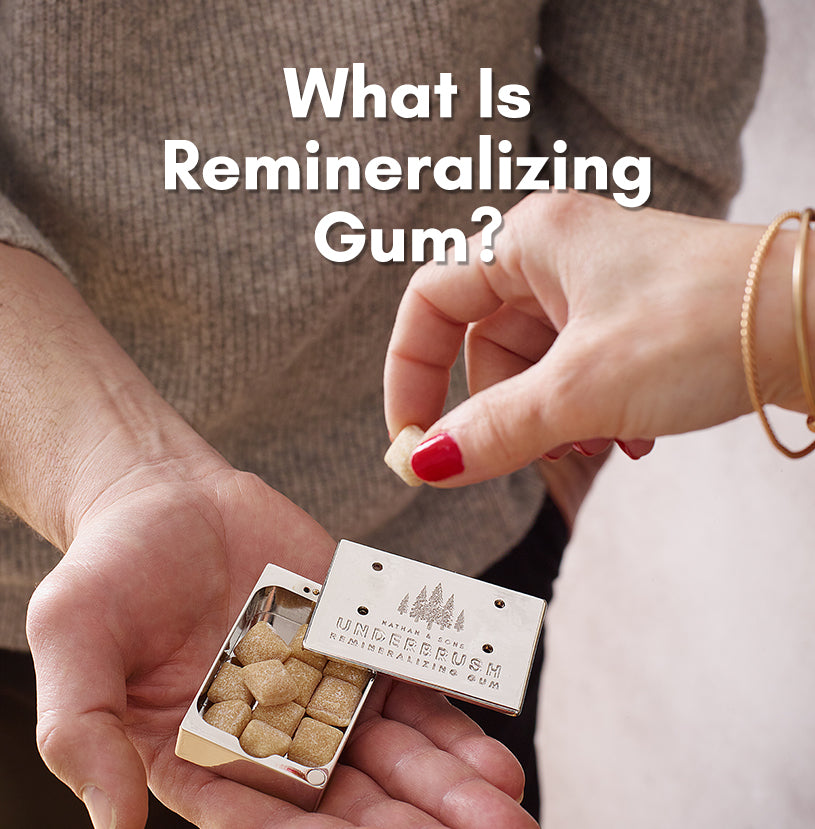

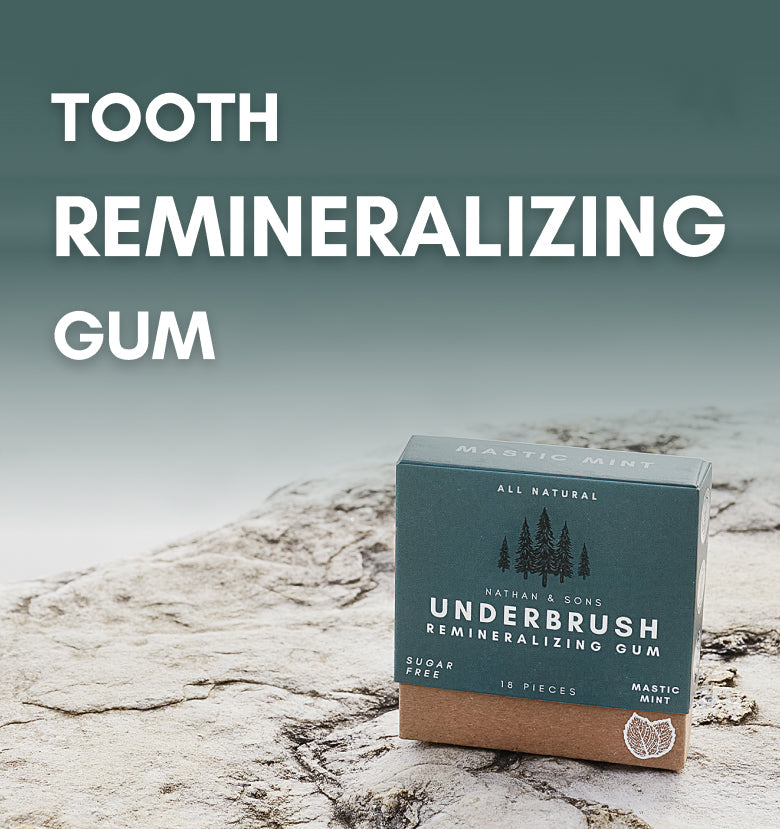
Products commonly marketed as tooth remineralizing gum are sugar-free chewing gums formulated with ingredients that have been examined in enamel remineralization research — most notably nano-hydroxyapatite and xylitol — formulated with ingredients that come into contact with the teeth during chewing to support oral care between brushing sessions.
That is the short answer.
But understanding why tooth remineralizing gum has become one of the fastest-growing categories in the functional oral care market — and whether it actually delivers on its claims — requires a closer look at how it works, what the research says, and what separates a well-formulated product from a marketing label.
The functional chewing gum market reached an estimated $2.36 billion in 2025, with analysts projecting a 9.7 percent compound annual growth rate through 2030, according to Grand View Research — driven largely by consumer demand for products that deliver oral health benefits alongside everyday convenience.
Tooth remineralizing gum sits at the center of that growth.
This article covers everything you need to know — from the science behind remineralization to the specific ingredients that matter, who may be interested in this type of gum, how it compares to remineralizing toothpaste, and how to choose a formulation that matches its label claims.
These statements have not been evaluated by the Food and Drug Administration.
This product is not intended to diagnose, treat, cure, or prevent any disease.
Why Your Teeth Need Remineralization Every Day
Here is something most people never think about — and dentists talk about constantly.
Every time you eat or drink something acidic — coffee, soda, fruit, certain protein bars, even sparkling water — the pH in your mouth drops temporarily below a critical threshold.
During that drop, mineral ions are stripped from the surface of your enamel in a process called demineralization.
It happens every day.
Multiple times a day.
Your saliva naturally buffers that process and helps redeposit minerals back onto enamel over time — a process called remineralization.
This is one of the most underappreciated things your body does automatically.
The American Dental Association notes that stimulated saliva carries calcium and phosphate ions that contribute to enamel remineralization and buffers the effects of acids — and that increased salivary flow from chewing sugar-free gum supports this natural process.
The problem is that modern diets — high in acidic foods and drinks, combined with dry environments, certain medications, and busy schedules that reduce water intake — can shift that balance toward more demineralization than your saliva alone can counter between brushing sessions.
This is one reason consumers and researchers have become interested in this category of oral care products.
Not as a replacement for brushing or professional dental care.
As a practical, portable tool for the moments in your day when your enamel could benefit from support and brushing simply is not an option.
After the morning coffee you drank in the car.
After lunch at your desk.
After the protein shake before your workout.
These are the windows that tooth remineralizing gum is designed for — and this is why post-meal timing matters more than any other aspect of how you use it.

What Is Tooth Remineralizing Gum Made Of?
The ingredients in tooth remineralizing gum are what separate it from conventional sugar-free gum.
Most people never read the ingredients in their chewing gum.
But once you understand what is in a well-formulated tooth remineralizing gum versus what is in a conventional sugar-free gum, the distinction becomes immediately clear.
Here is what each ingredient is, what it does, and what the research says.
Nano-hydroxyapatite
Nano-hydroxyapatite — often written as n-HAp — is a synthetically produced form of the same mineral compound that makes up approximately 90 to 97 percent of tooth enamel by weight.
Because it is chemically identical to enamel's mineral composition, it is described in the research literature as biomimetic — meaning it mimics the natural material it is designed to work alongside.
This is not a marketing claim.
It is the actual chemistry.
Your enamel is made of hydroxyapatite crystals.
Nano-hydroxyapatite is the same compound, engineered at the nanoscale so its particle size is small enough to interact with the microscopic structure of enamel surfaces.
A 2025 narrative review published in Biomimetics examining hydroxyapatite across multiple clinical studies found that hydroxyapatite-containing products — including chewing gum — are among the eligible formats being studied for enamel and dentin remineralization support.
A systematic review and meta-analysis published in Clinical Oral Investigations found significant remineralization potential for nano-hydroxyapatite when surface hardness testing was used as the measurement standard across multiple studies.
While these findings are promising, the overall body of evidence continues to develop and larger long-term studies are needed.
A 2013 study published in the Journal of Conservative Dentistry found that surface microhardness recovery was more pronounced in the nano-hydroxyapatite group than in the sodium fluoride group — and that the difference was statistically significant.
Xylitol
Xylitol is a naturally occurring sugar alcohol found in many fruits and vegetables — and one of the most extensively researched sweeteners in oral health science.
What makes it genuinely interesting in the context of oral care is not just that it is sweet without sugar — it is that oral bacteria cannot ferment it.
Most cavity-causing bacteria — particularly Streptococcus mutans — feed on fermentable sugars and produce lactic acid as a byproduct.
That lactic acid is what lowers mouth pH and drives enamel demineralization.
Xylitol short-circuits that process.
Because bacteria cannot metabolize xylitol, they cannot produce the acid that damages enamel — and research suggests that regular xylitol exposure may actually disrupt the bacterial adhesion cycle that allows plaque to form.
A 2022 study published in Frontiers in Nutrition found that xylitol gum was associated with a statistically significant 20 percent reduction in dental plaque accumulation and a meaningful decrease in cariogenic and periodontopathic bacteria compared to controls over just two weeks.
A 2024 systematic review published in European Archives of Paediatric Dentistry found that xylitol's effect on oral health is linked to increased saliva production — especially when used in chewing gum form — which creates an additional remineralization-supporting mechanism on top of its antibacterial properties.
A 2022 systematic review published in Clinical Oral Investigations found that xylitol gum was associated with decreased plaque accumulation in the majority of studies examined.
Plant-based chicle gum base
Nathan and Sons' tooth remineralizing gum uses a plant-derived chicle gum base rather than a synthetic petroleum-derived polymer base.
Most conventional gum uses synthetic polymer gum bases, while chicle is a naturally derived alternative.
Chicle is a natural latex from the sapodilla tree that has been used as a chewing base for centuries and is capable of biodegrading over time under certain environmental conditions — unlike synthetic polymer gum bases which persist in the environment.
For more on chicle specifically, our article on chicle chewing gum benefits covers the full history, harvesting process, and sustainability story.
No artificial sweeteners
Nathan and Sons' tooth remineralizing gum contains no sucralose, aspartame, sorbitol, or acesulfame potassium.
This matters for consumers who are paying attention to what they are putting in their mouths every day — particularly in a product used multiple times daily.
Sucralose and sorbitol are among the most common sweeteners in conventional sugar-free gum.
Consumers interested in ingredient selection may wish to review the available research regarding sweeteners such as sucralose and sorbitol — our articles on what is sucralose and what is sorbitol cover the research in detail.
How Tooth Remineralizing Gum Works
The mechanism behind tooth remineralizing gum becomes straightforward once you understand the relationship between chewing, saliva, and enamel mineral exchange.
It works in four connected steps — each one building on the last.
Step one: chewing increases saliva flow
The act of chewing — any chewing — stimulates saliva production.
This is one of the most well-established findings in dental research and applies regardless of what you are chewing.
The American Dental Association specifically recommends sugar-free gum chewing for approximately 20 minutes after meals because of this saliva-stimulating effect.
More saliva means more natural buffering of mouth acids and more mineral ions — calcium and phosphate — available to support enamel.
This is why the timing of when you chew matters.
Chewing tooth remineralizing gum immediately after a meal or acidic drink is when your oral environment most benefits from both the acid-buffering and the mineral delivery that follow.
Step two: nano-hydroxyapatite comes into contact with enamel surfaces
As you chew, nano-hydroxyapatite particles are released into the oral environment alongside your saliva.
Because these particles are chemically identical to enamel's mineral composition and engineered at the nanoscale, researchers have investigated their interaction with enamel surfaces and explored whether their nanoscale properties may allow greater contact with enamel structures than larger-particle formats.
A 2025 in vitro study published in BMC Oral Health examined nanohydroxyapatite particles in the context of enamel protection — finding meaningful differences in demineralization protection in the nanohydroxyapatite group compared to controls in the study conditions.
This makes the delivery format of chewing gum particularly interesting from a research standpoint — because the extended contact time during chewing keeps nano-hydroxyapatite in the oral environment longer than a rinse-and-spit product would.
Step three: xylitol reduces cariogenic bacterial activity
While the chewing action stimulates saliva and the nano-hydroxyapatite comes into contact with enamel surfaces, xylitol is working on the bacterial side of the equation.
Xylitol creates an environment that is less hospitable to cariogenic bacteria — the bacteria most associated with acid production and enamel demineralization.
Because oral bacteria cannot metabolize xylitol, they cannot produce the lactic acid that lowers mouth pH and drives demineralization.
Regular xylitol exposure has also been examined for its potential to disrupt the bacterial adhesion cycle — reducing the ability of cariogenic bacteria to colonize tooth surfaces and form plaque.
Step four: daily consistency builds cumulative oral health support
No single piece of gum produces dramatic effects.
The research on both nano-hydroxyapatite and xylitol consistently points to consistent, repeated use as the mechanism through which benefits accumulate over time.
Studies examining these ingredients have looked at outcomes over periods ranging from two weeks to several months.
The practical implication is simple: chewing one or two pieces of tooth remineralizing gum after your morning coffee and one after lunch, every day, is more meaningful than chewing a piece occasionally.
These statements have not been evaluated by the FDA.
The Science Behind Tooth Remineralizing Gum
The research base for tooth remineralizing gum draws from two well-established bodies of evidence — nano-hydroxyapatite research and xylitol oral health research.
Here is an honest summary of what each body of evidence shows — and where the evidence still has gaps.
Nano-hydroxyapatite: what the peer-reviewed research shows
The most comprehensive recent synthesis of hydroxyapatite research comes from a 2025 narrative review published in Biomimetics that examined 18 clinical studies across multiple hydroxyapatite product formats — including chewing gum — and found that hydroxyapatite is an area of genuine and growing research interest for enamel and dentin remineralization support in non-surgical dental settings.
A systematic review and meta-analysis published in Clinical Oral Investigations found significant remineralization potential for nano-hydroxyapatite when surface hardness testing was used as the measurement standard — while also noting that the overall level of evidence remains relatively low due to small study sizes and methodological heterogeneity.
A randomized clinical trial published in BDJ Open examined nanohydroxyapatite-containing products over eight weeks and found statistically significant changes in sensitivity measurements compared to placebo — suggesting that the ingredient's interaction with enamel surfaces has measurable effects in clinical settings.
A study comparing hydroxyapatite and fluoride published in BDJ Open found that certain studies reported findings comparable to fluoride-containing products under specific study conditions — an important finding for consumers seeking fluoride-free options.
A 2013 study published in the Journal of Conservative Dentistry found that surface microhardness recovery was statistically significantly more pronounced in the nano-hydroxyapatite group than in the sodium fluoride comparison group — providing direct evidence of nano-hydroxyapatite's potential interaction with enamel surface mineral composition.
While these findings are promising, the overall body of evidence continues to develop and larger long-term studies are needed.
Xylitol: what the peer-reviewed research shows
Xylitol has been studied in oral health contexts for decades — and its research base is one of the most established of any oral care ingredient.
A 2022 study published in Frontiers in Nutrition found a statistically significant 20 percent reduction in dental plaque accumulation among xylitol gum users compared to controls over two weeks — alongside meaningful decreases in cariogenic and periodontopathic bacterial species.
A study examining xylitol and sorbitol gums on demineralized enamel found that both xylitol and sorbitol gum promoted significantly greater enamel hardness recovery compared to paraffin control gum — with xylitol gum showing consistently favorable results across the conditions tested.
A randomized cross-over trial examining xylitol gum containing funoran and calcium hydrogenphosphate found that the enriched xylitol gum produced significantly higher enamel subsurface remineralization compared to plain gum or sugar gum over seven days — with some studies observing differences compared with controls.
A 2023 systematic review published in Frontiers in Oral Health examining chewing gum as an anti-cariogenic agent found that sugar-free xylitol-containing gums were among the top-performing formulations across the studies reviewed — with consistent associations between xylitol gum use and reduced oral health risk indicators.
What the research does not yet confirm
It is equally important to be honest about the gaps.
Most nano-hydroxyapatite research has been conducted on toothpastes and gels rather than chewing gum specifically.
The extrapolation from toothpaste research to gum research is theoretically sound — the ingredient is the same — but large-scale human clinical trials specifically examining nano-hydroxyapatite in chewing gum format are still limited.
The 2022 systematic review noted that high risk of bias, short follow-up periods, and methodological heterogeneity limit the conclusions that can currently be drawn across the nano-hydroxyapatite literature.
Research regarding nano-hydroxyapatite and oral care products continues to evolve, and findings may vary depending on study design, formulation, and individual circumstances.
Anyone considering tooth remineralizing gum should discuss it with a qualified dental professional — particularly if they have existing dental conditions.
These statements have not been evaluated by the FDA and should not be interpreted as disease-treatment claims.

Tooth Remineralizing Gum vs. Remineralizing Toothpaste
A common question from consumers exploring enamel remineralization options is whether gum or toothpaste is the better choice.
The honest answer is that they serve different roles — and the most effective approach for most people is both.
Remineralizing toothpaste is applied twice daily as part of a structured brushing routine.
It delivers active ingredients — whether fluoride, nano-hydroxyapatite, or other mineral compounds — to teeth for the duration of brushing, which is typically two to three minutes before being spat out.
Tooth remineralizing gum works in the gaps.
After meals.
After acidic drinks.
During commutes.
At work between brushing sessions.
The chewing action itself stimulates saliva for five to twenty minutes — significantly longer than most brushing sessions — which means the active ingredients in the gum have an extended contact window with tooth surfaces.
This is why researchers and dental professionals have examined chewing gum as a complementary oral care format rather than a competing one.
The two formats are not interchangeable.
Toothpaste provides the structured foundation of your oral care routine.
Tooth remineralizing gum extends active oral care support into the moments of your day that toothpaste cannot reach.
For a deeper look at the research comparing these formats and how they work together, our article on does remineralizing gum work examines the evidence in detail.
These statements have not been evaluated by the FDA.
Who May Be Interested in Tooth Remineralizing Gum
Tooth remineralizing gum is designed for adults and older children who chew gum regularly and want the formulation they are using to contain ingredients with a meaningful oral health research basis.
That said, certain groups may find it particularly relevant to their oral health situations.
People who experience tooth sensitivity
Tooth sensitivity is often associated with areas of enamel wear or exposed dentin.
Nano-hydroxyapatite has been examined in clinical research in the context of dentin hypersensitivity — a randomized clinical trial published in BDJ Open found statistically significant changes in sensitivity measurements in the nano-hydroxyapatite group compared to placebo over eight weeks.
For people who find certain foods or temperatures uncomfortable, tooth remineralizing gum formulated with nano-hydroxyapatite is an area of genuine research interest.
People seeking fluoride-free oral care options
A growing segment of the oral care market prefers to avoid fluoride — whether for personal preference, specific health concerns, or because their dentist has advised a fluoride-free approach.
Nano-hydroxyapatite is the most extensively researched fluoride-free alternative for enamel remineralization support currently available.
Certain studies reported findings comparable to fluoride-containing products under specific study conditions — making it a research-supported option for fluoride-free consumers.
People who drink coffee, wine, or acidic beverages regularly
Every acidic drink creates a temporary pH drop in the mouth that initiates demineralization.
For people who drink coffee, sparkling water, wine, citrus juices, or acidic sports drinks regularly throughout the day, the cumulative acid exposure between brushing sessions can be significant.
Chewing a piece of tooth remineralizing gum immediately after an acidic drink stimulates saliva — which the ADA recognizes as helping to neutralize acids and buffer the oral environment.
People with dry mouth
Dry mouth — whether from medications, mouth breathing, dehydration, or medical conditions — significantly reduces saliva's natural buffering and remineralization capacity.
Chewing gum is one of the most effective non-pharmacological methods to stimulate saliva production in people experiencing dry mouth.
Tooth remineralizing gum provides that saliva stimulation alongside mineral-supporting active ingredients.
People with braces, retainers, or Invisalign
People undergoing orthodontic treatment often experience increased plaque accumulation around brackets and hardware — and reduced access for brushing in certain areas.
Sugar-free xylitol-containing gum has been examined in research specifically in orthodontic populations.
A 2025 study published in BMC Oral Health examined nanohydroxyapatite in the context of enamel protection around orthodontic brackets — finding meaningful differences in demineralization protection in the nanohydroxyapatite group.
Note: patients with fixed orthodontic appliances should confirm with their orthodontist before chewing any gum.
People who travel frequently or have irregular schedules
For anyone who spends significant time away from home — frequent travelers, commuters, people with long work shifts — access to brushing after every meal is limited.
Tooth remineralizing gum is a portable, convenient format that requires no water, no brushing, and no special preparation.
These statements have not been evaluated by the FDA.
Tooth Remineralizing Gum vs. Regular Gum
Regular sugar-free gum stimulates saliva.
That is genuinely useful — and the ADA acknowledges it for this reason.
But regular gum does not deliver nano-hydroxyapatite or xylitol alongside that saliva.
Most conventional sugar-free gums use synthetic polymer gum bases and sweeteners including sucralose, aspartame, or sorbitol — none of which have oral health research profiles comparable to xylitol.
Tooth remineralizing gum changes the formulation equation by delivering ingredients that have been specifically examined in enamel remineralization research contexts alongside the already-beneficial saliva-stimulating effect of chewing.
The difference is not about marketing language — it is about what the ingredient list actually contains.
For a side-by-side look at how different products in this category compare, our Underbrush hydroxyapatite gum vs competitors guide breaks it down in detail.
You might also find our article on mastic gum useful — mastic is another natural resin-based chewing ingredient with its own oral health research history, used in some remineralizing formulations.
What Tooth Remineralizing Gum Is Not
This is the section most brands skip — and it is the most important one for honest consumer education.
Tooth remineralizing gum is not a dental treatment.
It does not address existing cavities — cavities that have progressed to cavitation require professional dental intervention.
It does not address advanced enamel erosion or any diagnosed dental condition.
It does not reverse damage that has already occurred at a structural level.
It is not a substitute for fluoride toothpaste if your dentist has specifically recommended fluoride for your oral health situation.
It is not a replacement for brushing twice a day, flossing, or regular professional dental care.
What tooth remineralizing gum is — based on the available research — is a well-formulated complementary oral care tool for the windows in your day when brushing is not possible and your enamel could benefit from mineral support and acid buffering.
No more than that.
No less than that.
Consult your dentist before making changes to your oral care routine — particularly if you have existing dental concerns, are pregnant, or are managing any medical condition.
These statements have not been evaluated by the FDA and are not intended to diagnose, treat, cure, or prevent any disease.
How to Choose a Formulation That Matches Its Label Claims
The term "remineralizing gum" is not regulated by any food safety authority.
Any brand can print those words on a package without meeting any specific formulation standard.
This means the label matters more than the product name — and reading the ingredient list is the only reliable way to evaluate whether a tooth remineralizing gum is actually formulated to match its claims.
What to look for:
Look for nano-hydroxyapatite listed clearly as an active ingredient — not buried in a proprietary blend or listed as a trace additive at the bottom of the ingredient panel.
Look for xylitol as the primary sweetener rather than sucralose, aspartame, sorbitol, or acesulfame potassium.
Look for a plant-based gum base rather than a synthetic polymer gum base.
Look for a brand that links its ingredient choices to published peer-reviewed research.
Look for full ingredient transparency — every ingredient listed on the product page, not hidden behind a "proprietary formula" designation.
How to use it:
Chew one to two pieces after meals — this is when acid buffering and mineral support are most relevant to your oral environment.
The ADA recommends approximately twenty minutes of sugar-free gum chewing after meals for its saliva-stimulating benefits — and tooth remineralizing gum fits naturally into that timing.
Chew for approximately ten to twenty minutes per session — enough time to stimulate meaningful saliva flow without overworking your jaw.
Up to two to four pieces per day is a reasonable daily use pattern for most adults — more than that begins to risk jaw fatigue and in some individuals can cause mild digestive discomfort from xylitol.
Use consistently rather than occasionally — the research on both nano-hydroxyapatite and xylitol points to cumulative benefit from regular use over time.
Store in a cool, dry location to preserve ingredient integrity.
Nathan and Sons' remineralizing gum is formulated with nano-hydroxyapatite as the active ingredient, xylitol as the primary sweetener, natural flavorings, and a plant-based chicle gum base — with no artificial sweeteners, synthetic polymer gum bases, or artificial colors.
The full ingredient list is on our product page.
Browse our full oral care collection to see everything we make with full ingredient transparency.
For more context on the research behind remineralizing gum, our article on is remineralizing gum legit examines the evidence in detail.
To learn more about who we are and why ingredient transparency matters to us, visit our about page.
Key Takeaways: Tooth Remineralizing Gum
Products commonly marketed as tooth remineralizing gum are sugar-free chewing gums formulated with ingredients that have been examined in enamel remineralization research — primarily nano-hydroxyapatite and xylitol.
Nano-hydroxyapatite is chemically identical to the mineral compound that makes up tooth enamel and has been examined in multiple peer-reviewed studies for its potential to interact with enamel surface mineral composition.
Xylitol is non-fermentable by oral bacteria and has been associated in research with a statistically significant 20 percent reduction in dental plaque accumulation and decreased cariogenic bacterial activity over two weeks.
Chewing gum stimulates saliva production — which the ADA recognizes as contributing to enamel remineralization and acid buffering.
Tooth remineralizing gum works best as a complement to remineralizing toothpaste — not a replacement for it — filling the oral care gaps between brushing sessions.
Those who may be particularly interested include people with tooth sensitivity, those seeking fluoride-free options, coffee and acidic beverage drinkers, people with dry mouth, and people undergoing orthodontic treatment.
The evidence is strongest for the individual ingredients — product-specific clinical trials on remineralizing chewing gum as a format are still developing.
Research regarding nano-hydroxyapatite and oral care products continues to evolve, and findings may vary depending on study design, formulation, and individual circumstances.
Not all tooth remineralizing gums are formulated equally — the ingredient list is the most important factor to evaluate.
Tooth remineralizing gum is not a dental treatment and is not a substitute for brushing, flossing, or professional dental care.
These statements have not been evaluated by the FDA.
Not intended to diagnose, treat, cure, or prevent any disease.
Frequently Asked Questions: Tooth Remineralizing Gum
What is tooth remineralizing gum?
Products commonly marketed as tooth remineralizing gum are sugar-free chewing gums formulated with ingredients that have been examined in enamel remineralization research — most notably nano-hydroxyapatite and xylitol.
They are designed to complement your body's natural saliva-based remineralization process — not replace it.
The chewing action stimulates saliva, which naturally buffers mouth acids and carries mineral ions that support enamel.
The active ingredients — nano-hydroxyapatite and xylitol — come into contact with teeth during the chewing session.
These products are not dental treatments and are not substitutes for brushing, flossing, or professional dental care.
These statements have not been evaluated by the FDA.
How is tooth remineralizing gum different from regular gum?
Regular sugar-free gum stimulates saliva — which the ADA acknowledges as beneficial for the oral environment after meals.
Tooth remineralizing gum adds nano-hydroxyapatite and xylitol to that chewing action — ingredients that have been specifically examined in enamel remineralization research contexts.
Most conventional sugar-free gums also use synthetic polymer gum bases and artificial sweeteners including sucralose or aspartame — neither of which has an oral health research profile comparable to xylitol.
These statements have not been evaluated by the FDA.
What does current research say about tooth remineralizing gum?
The individual ingredients — nano-hydroxyapatite and xylitol — have meaningful and growing research bases.
A systematic review found significant remineralization potential for nano-hydroxyapatite when surface hardness testing was used as the measurement standard.
A 2022 study found xylitol gum was associated with a statistically significant 20 percent reduction in dental plaque accumulation over two weeks.
Product-specific clinical trials on remineralizing chewing gum as a format are still developing — most research has been conducted on toothpastes and gels.
Research regarding nano-hydroxyapatite and oral care products continues to evolve, and findings may vary depending on study design, formulation, and individual circumstances.
These statements have not been evaluated by the FDA.
Is tooth remineralizing gum good for sensitive teeth?
Nano-hydroxyapatite has been examined in clinical research specifically in the context of dentin hypersensitivity.
A randomized clinical trial published in BDJ Open found statistically significant changes in sensitivity measurements in the nano-hydroxyapatite group compared to placebo over eight weeks.
Tooth remineralizing gum formulated with nano-hydroxyapatite is an area of genuine research interest for people who experience tooth sensitivity.
These are research observations and should not be interpreted as treatment claims for any specific condition.
Consult a qualified dental professional for guidance specific to your oral health situation.
These statements have not been evaluated by the FDA.
Can I use tooth remineralizing gum with braces?
Sugar-free gum has been examined in research in orthodontic populations.
A 2025 study published in BMC Oral Health found meaningful differences in enamel demineralization protection in the nanohydroxyapatite group around orthodontic brackets.
However, patients with fixed orthodontic appliances — brackets, wires, retainers — should always confirm with their orthodontist before chewing any gum, as some appliances may be affected by chewing forces.
These statements have not been evaluated by the FDA.
Is tooth remineralizing gum a substitute for brushing?
No.
Tooth remineralizing gum is designed to complement a regular oral care routine — not replace it.
Brushing twice daily, flossing, and regular professional dental care remain the foundation of oral health maintenance.
Remineralizing gum fills the gaps in your day when brushing is not possible — it does not replace the brushing sessions themselves.
How is tooth remineralizing gum different from remineralizing toothpaste?
Remineralizing toothpaste is applied during your structured twice-daily brushing routine — typically for two to three minutes before being spat out.
Tooth remineralizing gum works in the gaps between brushing sessions — stimulating saliva for ten to twenty minutes while the active ingredients come into contact with teeth during extended use.
The two formats serve complementary roles and are most effective when used together as part of a complete oral care routine.
How many pieces of tooth remineralizing gum should I chew per day?
Research timing and practical guidance suggests chewing one to two pieces after meals — up to two to four pieces per day for most adults.
The ADA recommends approximately twenty minutes of sugar-free gum chewing after meals for its saliva-stimulating benefits.
Chewing more than this can risk jaw fatigue and, in some individuals, mild digestive discomfort from xylitol.
These statements have not been evaluated by the FDA.
How long does tooth remineralizing gum take to work?
Individual timelines vary significantly based on oral health status, diet, frequency of use, and other factors.
Research on the individual ingredients has examined outcomes over periods ranging from two weeks to several months of consistent use.
Results are not guaranteed and individual responses vary.
Consult your dental provider for guidance specific to your oral health situation.
These statements have not been evaluated by the FDA.
What should I look for when choosing a tooth remineralizing gum?
Look for nano-hydroxyapatite listed clearly as an active ingredient — not buried in a proprietary blend.
Look for xylitol as the primary sweetener rather than sucralose, aspartame, or sorbitol.
Look for a plant-based gum base rather than a synthetic polymer gum base.
Look for full ingredient transparency — every ingredient listed clearly on the product page.
Look for brands that link their ingredient choices to published peer-reviewed research.
Nathan and Sons' remineralizing gum meets all of these criteria — with the full ingredient list available on the product page.
These statements have not been evaluated by the FDA and are not intended to diagnose, treat, cure, or prevent any disease.
Can children use tooth remineralizing gum?
Chewing gum is generally not recommended for young children due to choking risk.
For older children who are appropriate candidates for gum, consult a qualified dental professional before introducing any new oral care product into their routine.
These statements have not been evaluated by the FDA.
Legal & Compliance Disclaimer
These statements have not been evaluated by the Food and Drug Administration. This product is not intended to diagnose, treat, cure, or prevent any disease. The information in this article is for educational purposes only and is not a substitute for professional dental or medical advice. Consult a qualified dental or healthcare provider before making changes to your oral care routine. Content current as of 2026. Subject to revision.
References
American Dental Association. Chewing Gum. ADA Oral Health Topics. ada.org/resources/ada-library/oral-health-topics/chewing-gum.
Grand View Research. Functional Chewing Gum Market Size Report. 2025.
Naim J, et al. (2025). The remineralizing and desensitizing potential of hydroxyapatite in dentistry: a narrative review of recent clinical evidence. Biomimetics. PMC12470856.
Wierichs RJ, Wolf TG, Campus G, Carvalho TS. (2022). Efficacy of nano-hydroxyapatite on caries prevention: a systematic review and meta-analysis. Clinical Oral Investigations, 26, 2593–2612. PMC8979882.
Amaechi BT, Lemke KC, Saha S, Luong MN, Gelfond J. (2021). Clinical efficacy of nanohydroxyapatite-containing toothpaste at relieving dentin hypersensitivity: an 8 weeks randomized control trial. BDJ Open, 7(1), 23. PMC8233401.
Amaechi BT, et al. (2019). Comparative efficacy of a hydroxyapatite and a fluoride toothpaste in promoting remineralization. BDJ Open, 5, 18. nature.com/articles/s41405-019-0026-8.
Tschoppe P, et al. (2025). Nanohydroxyapatite serum and toothpaste on prevention of enamel demineralization around orthodontic brackets: an in vitro study. BMC Oral Health. PMC12522361.
Lata S, Varghese NO, Varughese JM. (2013). Remineralization of enamel surface lesions with synthetic nanohydroxyapatite. Journal of Conservative Dentistry. PMC3636833.
Wu YF, Salamanca E, et al. (2022). Xylitol-containing chewing gum reduces cariogenic and periodontopathic bacteria in dental plaque. Frontiers in Nutrition, 9, 882636. PMC9131035.
Söderling E, Pienihäkkinen K. (2022). Effects of xylitol chewing gum and candies on the accumulation of dental plaque: a systematic review. Clinical Oral Investigations, 26, 119–129.
Latifi-Xhemajli B, et al. (2024). The effect of xylitol chewing gums and candies on caries occurrence in children: a systematic review. European Archives of Paediatric Dentistry, 25, 145–160. PMC11058973.
Sato Y, et al. (2009). Remineralization of enamel subsurface lesions by xylitol chewing gum containing funoran and calcium hydrogenphosphate. PubMed. PMID: 19323021.
Söderling E, et al. (2014). Effect of chewing gums with xylitol, sorbitol and xylitol-sorbitol on the remineralization and the hardness of demineralized enamel. PMC4241604.
O'Hagan-Wong K, et al. (2021). The use of hydroxyapatite toothpaste to prevent dental caries. BDJ Open. PMC8930857.
Paszynska E, et al. (2023). Caries-preventing effect of a hydroxyapatite toothpaste in children. Frontiers in Public Health. frontiersin.org/journals/public-health/articles/10.3389/fpubh.2023.1199728/full.
Yeung CY, Chu CH, Yu OY. (2023). A concise review of chewing gum as an anti-cariogenic agent. Frontiers in Oral Health, 4, 1213523. PMC10299855.